 Tampa Siding
 Seminole Heights Decks Face a Different Set of Problems
Seminole Heights is one of Tampa's older, more established neighborhoods, and that shows up in its decks. A lot of the homes here are bungalow-era construction with additions and outdoor living spaces built on at different times, which means decks in this part of Hillsborough County are often older than what you'd find in newer Tampa subdivisions. Add in a heavy tree canopy on many lots, and you get a deck repair environment that's genuinely different from a deck sitting out in open sun on a new-build lot.
The climate does the rest of the work. Tampa sees intense, near year-round UV exposure that breaks down wood fibers and finishes faster than most homeowners expect. Wind-driven rain during summer storms and hurricane season pushes moisture into joints, fastener holes, and ledger connections that a light rain would never reach. And even though Seminole Heights isn't waterfront, the whole Tampa Bay area carries enough salt-laden air to accelerate corrosion on hardware that isn't rated for it. None of these forces are unique to one deck, but they compound differently depending on your home's age, its shade cover, and how the deck was originally built.
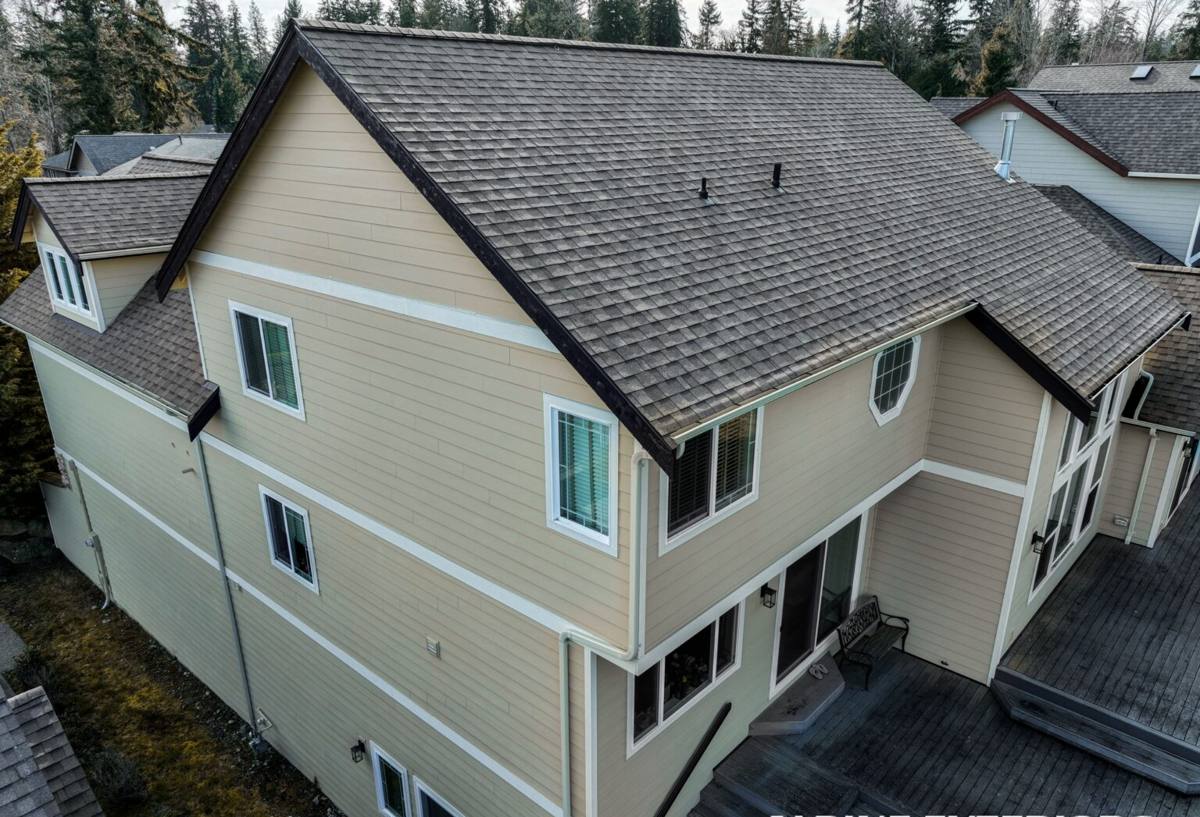
What the Combination of Shade, Heat, and Storms Does
Mature Tree Canopy Traps Moisture
A lot of Seminole Heights lots have real tree cover, which is a nice feature for a Florida yard but a mixed blessing for a deck. Shaded decking stays damp longer after rain or morning dew, which is exactly the condition mildew, algae, and soft rot need to take hold. Boards that never get direct sun to dry out are almost always the first ones to show staining, sponginess, or fungal growth, especially where leaves and debris collect against the deck surface or between boards.
UV and Heat Cycle the Wood
Where a deck does get sun, Tampa's UV load is intense enough to gray and dry out wood fibers within a couple of seasons if it isn't sealed or stained on a regular schedule. That drying and cracking opens up small checks in the wood that water then gets into, which is how a deck that looks fine on the surface can have soft, compromised boards underneath.
Wind and Wind-Driven Rain Stress the Structure
Hurricane-force wind events and the frequent afternoon thunderstorms that come with a Hillsborough County summer put real lateral load on a deck's ledger connection, railing posts, and stair stringers. Wind-driven rain also finds its way behind ledger boards and around post bases that weren't flashed correctly to begin with, which is one of the most common hidden failure points we find on repair calls.
The Deck Problems We See Most Often in This Neighborhood
- Rotted or rusted ledger board connections where the deck attaches to the house, often the result of missing or failed flashing
- Post bases and beam ends showing decay at or just below grade, especially on older decks built without proper post standoffs
- Corroded nails, screws, and joist hangers that have rusted and lost holding strength, sometimes staining the wood around them
- Soft, spongy, or delaminating deck boards in shaded areas where moisture doesn't dry out between rains
- Loose, wobbly, or undersized railings and stair stringers that no longer meet a safe structural standard
- Surface graying, checking, and finish failure on sun-exposed boards from sustained UV exposure
Most of these problems start small and hidden. By the time a board feels soft underfoot or a railing wiggles when you lean on it, the damage underneath is usually further along than what's visible from the top.
Wood or Composite: What's Worth Repairing
One of the first questions on almost every repair job is whether to patch what's there in wood, or use the repair as a chance to switch part of the deck to a composite board. There's no universal right answer, but there are honest trade-offs worth weighing before you decide.
| Factor | Wood Repair | Composite Repair |
|---|---|---|
| Upfront cost | Lower material cost | Higher material cost |
| Maintenance | Needs sealing/staining every 1-3 years in this climate | Minimal sealing, occasional cleaning |
| UV/heat behavior | Grays and checks without upkeep | Fade-resistant, but can hold heat underfoot |
| Moisture in shade | Prone to rot and mildew if not treated | Resists rot, but surface mildew still needs cleaning |
| Matching existing deck | Easy to match on an older wood deck | Won't match existing wood without a larger board swap |
| Structural framing underneath | Same either way — framing is framing | Same either way — framing is framing |
In practice, we often repair the wood framing and structure regardless of what decking goes on top, since the framing is what actually carries the load. The decking material choice is really about how much upkeep you want going forward, not a structural decision.
What a Correct Deck Repair Actually Involves
Starting Underneath, Not on the Surface
A repair that only replaces the boards you can see and ignores the framing underneath is not a real repair — it's a temporary patch. Any legitimate deck repair starts with checking the ledger connection, the posts, the beams, and the joists for rot, rust, and loose fasteners before a single new board goes down.
Fixing the Water Path, Not Just the Symptom
If a deck is rotting at the ledger, the fix isn't just new lumber — it's finding out why water got in and correcting the flashing or drainage so it doesn't happen again. The same goes for post bases: if a post is rotting at grade, it needs a proper standoff or base connector, not just a fresh post set in the same wet spot.
Using Hardware Rated for This Climate
Standard fasteners and connectors don't hold up well against Tampa's humidity and salt-laden air over time. A correct repair uses hot-dip galvanized or stainless fasteners and connectors rated for exterior, coastal-influenced use, even on a deck that isn't directly on the water.
Matching Structural Capacity to Code
Railings, stair stringers, and guard connections all have minimum structural requirements. A repair is also a chance to bring older, undersized railing or stair framing up to a safe, current standard rather than just re-securing what was there before.
Our Process for a Seminole Heights Deck Repair
- On-site inspection of the full deck — decking, framing, ledger, posts, railings, and stairs — checking both what's visible and probing for soft or corroded spots
- A written scope that separates what genuinely needs repair from what's cosmetic, so you're not paying to replace sound material
- A straightforward estimate with the repair broken out by area, so you can see what's driving the cost
- Permit handling when the scope involves structural framing, ledger reattachment, or railing changes that require it
- Repair work: framing and structural fixes first, then decking, railings, and finish
- Sealing or finishing recommendations appropriate for the amount of sun and shade your specific deck gets
Permits in Hillsborough County and the City of Tampa
Whether a deck repair needs a permit generally comes down to scope — cosmetic board replacement is often exempt, while structural work on framing, ledger connections, or railings usually is not. Requirements and review can also differ depending on whether the property falls under city or county jurisdiction, and older homes in established neighborhoods sometimes have their own review considerations. We handle the permit question as part of the estimate rather than leaving it for you to sort out, and we'll tell you plainly when a repair is small enough that it doesn't need one.
Keeping a Repaired Deck in Good Shape
A repair is only as good as the maintenance that follows it, especially in a climate that's this hard on exterior wood and hardware.
- Reseal or restain wood decking on a regular schedule rather than waiting for visible graying or cracking
- Keep leaves and organic debris cleared from between boards and against the house, especially under tree canopy
- Direct gutters and downspouts away from posts and ledger areas rather than letting runoff pool near the deck
- Check railings and stair connections for looseness once or twice a year, not just after a storm
- Trim back tree limbs and foliage that keep sections of the deck shaded and damp longer than the rest
- Address soft spots or discoloration as soon as you notice them rather than waiting for a full season
Why Local Experience Matters for This Job
Deck repair in Seminole Heights isn't the same job as deck repair on a newer build across town. It means knowing what to expect from the age of the housing stock here, understanding how mature tree cover changes where rot shows up first, and being familiar with how permitting and inspection tends to run in this part of Hillsborough County. A crew that already works in this neighborhood isn't guessing at any of that — they've seen how these decks age and where the recurring problems tend to start, which means less time spent diagnosing and more time spent fixing the actual issue correctly the first time.
It also means showing up with the right expectations about the property itself — tighter lots, mature landscaping to work around, and homes where the deck is often tied structurally into an older section of the house rather than a simple modern attachment.
Get an Honest Look at Your Deck
If your deck has soft spots, a wobbly railing, rusted hardware, or boards that never seem to dry out, it's worth getting a straight answer on what's actually wrong before it gets worse. We offer free, no-pressure estimates for deck repair in Seminole Heights — fill out the form below and we'll take a look and tell you honestly what it needs.