 Tampa Siding
 Lutz sits far enough inland from Tampa Bay that homeowners sometimes assume their windows get an easier ride than houses closer to the water. They don't. Hurricane-force wind events, sustained high humidity, intense year-round UV, and the wind-driven rain that comes with every serious Gulf storm reach Lutz the same as they reach the rest of Hillsborough County. What's different here is the housing stock: a mix of older ranch-style homes with original single-pane or early-generation aluminum windows, and newer construction that may or may not have been built to current impact standards. Both categories create window problems that a generic "install some windows" approach won't solve correctly.
This page covers what window installation actually requires for a Lutz home — not the sales pitch version, the trade version: what the climate does to windows over time, what a correct installation involves, how our process works from first visit to final inspection, and why local installation experience changes outcomes.
What Lutz's Climate Does to Windows Over Time
Florida's climate is hard on building envelopes in ways that aren't always obvious until something fails. Windows take the brunt of several distinct stresses at once:
Wind and Pressure Cycling
Hurricane and tropical storm winds don't just push — they create rapid pressure changes as gusts hit and release. Older windows, and windows installed without proper anchoring, flex under this cycling. Over years, that flexing loosens frames, cracks seals, and eventually lets water find a way in even when the glass itself never breaks.
UV Exposure
Central Florida gets sun intensity most of the country doesn't see. UV breaks down vinyl frames, dries out and cracks old glazing compound, and fades window treatments and flooring near unprotected glass. A window rated for a northern climate often isn't built with the same UV-stabilized materials Florida needs.
Humidity and Moisture Intrusion
Hillsborough County's humidity means any gap in a window's seal becomes an entry point not just for water but for the moisture that feeds mold and rot in surrounding framing. This is especially relevant in Lutz's older homes, where original window openings were often framed and flashed to a lower standard than current code requires.
Wind-Driven Rain
Rain that falls straight down is easy to keep out. Rain driven sideways at 40-60 mph finds every weakness in a window's installation — not just the window unit itself, but the flashing, the sealant joint, and the way the window ties into the wall's water management system. Most leaks we find in older Lutz homes trace back to installation and flashing failures, not the window product itself.
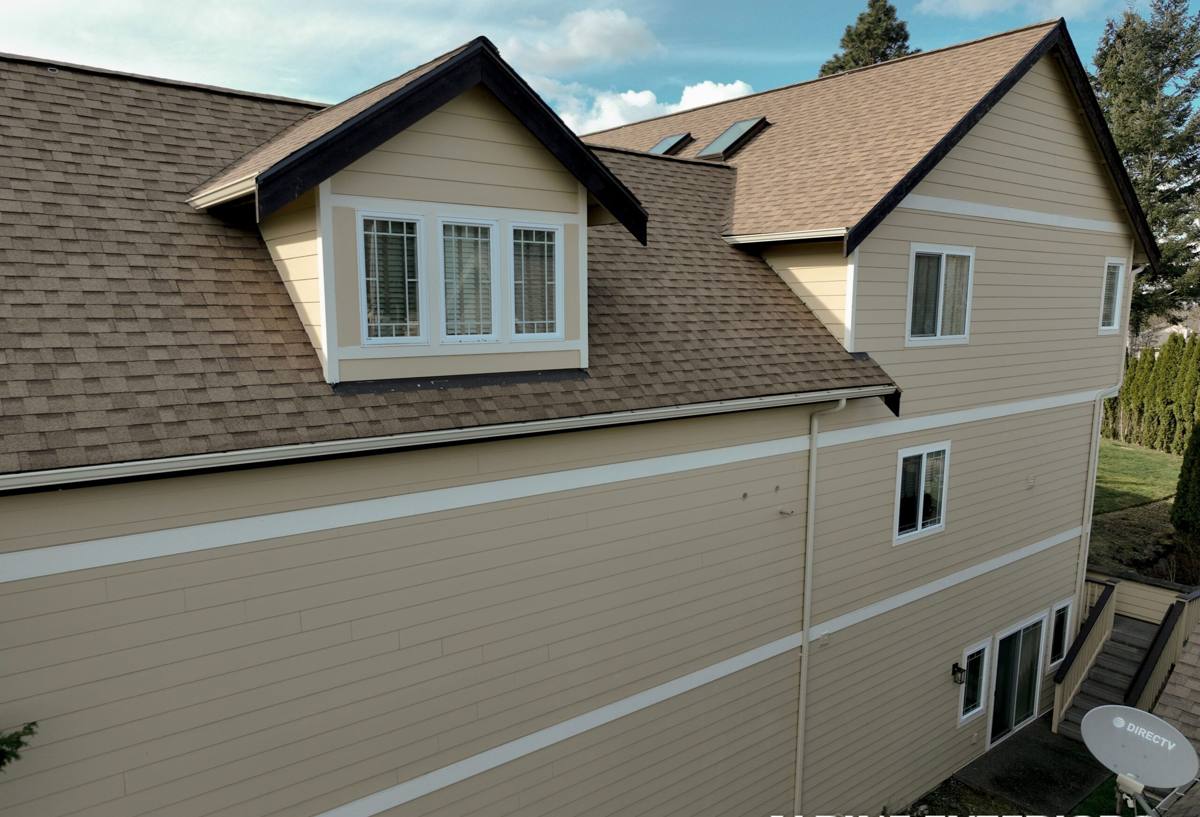
What a Correct Window Installation Actually Involves
A window installation is not just removing an old unit and screwing in a new one. Done correctly, it's a sequence of steps where skipping or rushing any one of them creates a failure point that may not show up for months or years.
The Opening Comes First
Before a new window goes in, the rough opening needs to be checked for square, level, and soundness. In older Lutz homes we sometimes find framing that's shifted slightly over decades, or sill areas with hidden water damage from years of a failing original window. That has to be addressed before a new window is installed — otherwise you're sealing a good window into a compromised opening.
Flashing and Water Management
This is the step that separates a window that lasts from one that leaks in three years. Proper flashing directs any water that gets past the window's exterior seal back out and away from the wall assembly, rather than letting it soak into framing. This includes sill pan flashing at the bottom of the opening, side flashing, and head flashing integrated correctly with the home's existing water-resistive barrier.
Setting and Anchoring the Window
The window has to be set plumb, level, and square, then anchored per the manufacturer's installation instructions and Florida Building Code requirements for the wind zone. Fastener spacing and type matter — this isn't a place to use whatever screws are on hand. Undersized or improperly spaced anchoring is one of the most common causes of window failure in wind events.
Sealing, Insulating, and Trim
Low-expansion foam or backer rod and sealant fill the gap between the window frame and the rough opening — enough to insulate and reduce air infiltration without bowing the frame out of square. Exterior sealant beads get tooled properly so they shed water instead of trapping it. Interior and exterior trim finish the job and protect the sealant joints from UV and physical damage.
Impact-Rated vs. Standard Windows: What Actually Applies in Lutz
Hillsborough County follows the Florida Building Code's wind-borne debris region requirements, and depending on your specific property and wind zone, you may be required to use either impact-rated windows or approved protective devices like code-compliant shutters on non-impact windows. We verify which applies to your address before recommending a product — it's not a one-size-answer for the whole area.
| Factor | Impact-Rated Windows | Standard Windows + Shutters |
|---|---|---|
| Upfront cost | Higher per-window cost | Lower window cost, added shutter cost |
| Storm prep effort | None — always protected | Shutters must be deployed before each storm |
| Daily use | No difference from standard windows | No difference until storm prep |
| Insurance impact | Often qualifies for windstorm mitigation credits | Credit varies by shutter type and rating |
| Noise/UV reduction | Laminated glass adds noise dampening and UV blocking | Depends on glass package chosen separately |
| Code compliance | Meets wind-borne debris requirement directly | Requires code-approved shutters, properly rated |
Neither option is universally "better" — it depends on your budget, whether you want to deal with shutter deployment before every storm, and what your insurer's mitigation credit structure looks like for your policy. We'll walk through the real numbers for your specific home rather than push one option by default.
Frame Material: What We Recommend and Why
We install vinyl and aluminum frame systems rated for Florida's coastal and near-coastal wind zones. Our standard is fusion-welded vinyl corners and marine-grade or equivalent hardware, because mechanically fastened corners and lower-grade hardware are more prone to loosening under the repeated pressure cycling Florida storms put on a frame over the years. This is a durability and long-term maintenance standard we hold ourselves to — it's about what performs reliably in this climate over a 20-30 year window, not a claim that every other product on the market fails.
Wood-clad windows look good but require more exterior maintenance in a climate this humid, and we're upfront with clients about that trade-off before they commit to one.
Our Process, Start to Finish
- Free on-site assessment: We look at your existing windows, check the openings, discuss your goals (storm protection, energy efficiency, noise reduction, appearance), and identify your property's wind zone requirements.
- Product and pricing walkthrough: We show you real options and real pricing for your home — no generic online quote.
- Permitting: Window replacement in Hillsborough County typically requires a permit. We handle the application and inspection scheduling as part of the job.
- Removal and opening prep: Old windows come out, the opening is inspected and repaired if needed, and any hidden moisture or framing issues are addressed before anything new goes in.
- Installation: Flashing, setting, anchoring, insulating, and sealing per manufacturer specs and code.
- Trim and cleanup: Interior and exterior finish work, site cleanup, and removal of old materials.
- Final inspection: County inspection sign-off, plus our own walkthrough with you to confirm everything operates and seals correctly.
Signs Your Lutz Home's Windows Need Attention
- Fogging or condensation between panes (failed seal on double-pane glass)
- Windows that are hard to open, close, or lock — often a sign the frame has shifted
- Visible daylight or air movement around the frame when closed
- Soft or discolored trim/drywall near a window (possible water intrusion)
- Chalking, cracking, or brittle caulk around the exterior frame
- Noticeably higher cooling bills without another clear cause
- Windows original to a home built before current impact code requirements
Cost Factors Homeowners Should Understand
We won't quote a number without seeing your home, but here's what actually drives the price up or down:
| Factor | Effect on Cost |
|---|---|
| Impact-rated vs. standard glass | Impact glass costs more per unit but removes the ongoing cost of shutters and storm prep labor |
| Number and size of openings | Larger openings and specialty shapes cost more in both material and labor |
| Condition of existing opening | Rot repair or reframing adds cost but is not optional if damage is present |
| Frame material and hardware grade | Higher-grade hardware and fusion-welded frames cost more upfront, less in maintenance |
| Permitting and inspection | Required by code; factored into project timeline and cost |
Why a Crew That Already Works Lutz Matters
Window installation quality comes down to details that a national franchise or an out-of-town crew won't always get right on the first pass: knowing which wind zone applies to which part of Hillsborough County, knowing what to expect when opening up an older Lutz home's original framing, and having an ongoing relationship with the county permitting office instead of learning the process fresh on your job. We work in this area regularly, which means fewer surprises during your project and faster resolution if a permitting or inspection question comes up.
It also means accountability. If a question comes up two years after installation, we're the same local company you can reach — not a call center for a name that moved on to the next region.
Get a Free, No-Pressure Estimate
If your Lutz home has aging windows, visible wear, or you're planning ahead for hurricane season, we're happy to take a look and give you a straight assessment — no pressure, no obligation. Use the form below to schedule a free estimate.