 Tampa Siding
 Window Replacement in Lutz, Florida
Lutz sits in that stretch of northern Hillsborough County where homes range from older lakefront cottages to newer construction, and the windows in both categories tend to fail for the same reasons: Florida sun, humidity, and storms don't care how old the house is. If your windows are fogging between the panes, sticking when you try to open them, or letting in a draft you can feel from across the room, it's usually not a one-off problem — it's the whole unit reaching the end of its service life. Replacing them correctly, with the right glass and installation method for this climate, is a bigger job than it looks like from the outside.
This page covers what actually goes into a proper window replacement in Lutz: what the climate demands, how the job should be done, and what to look for in a contractor before you sign anything.
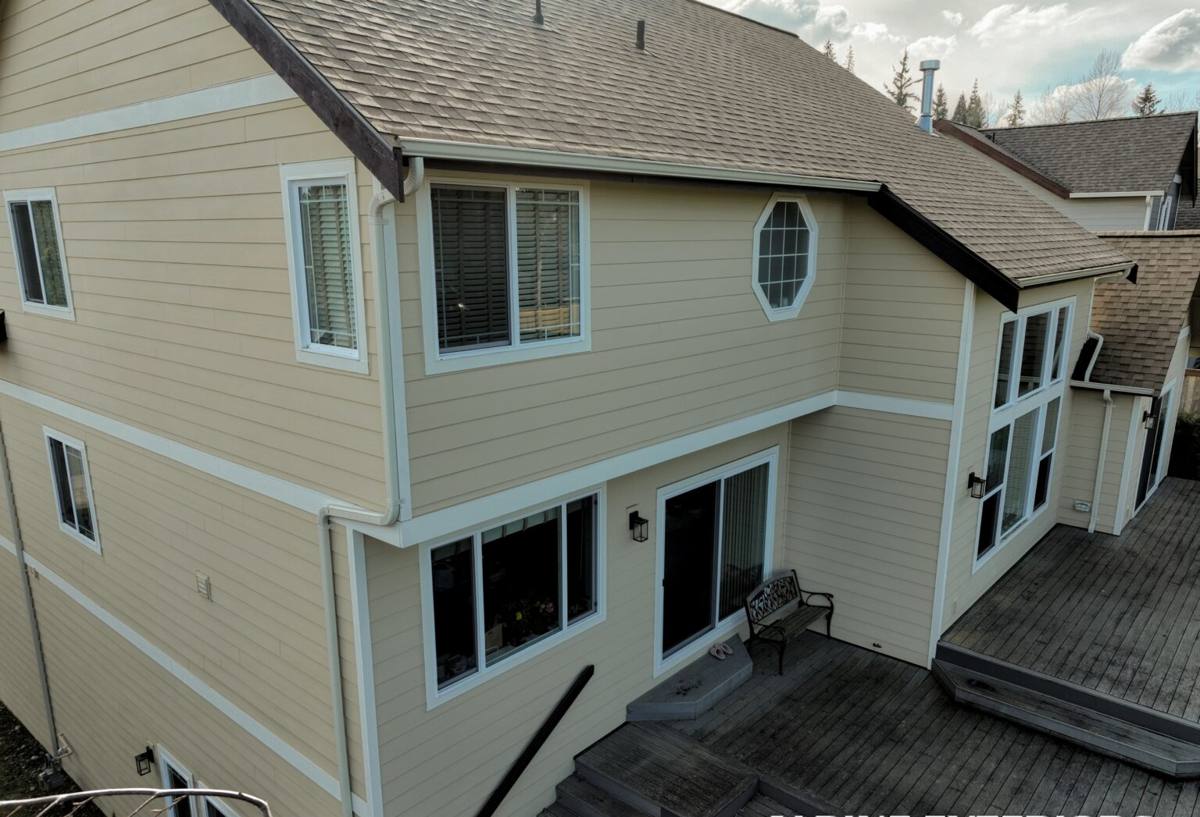
What Lutz's Climate Does to Windows
Homes in this part of Tampa Bay deal with a specific combination of stresses that windows in most other parts of the country never see:
- Year-round UV exposure breaks down window frame materials, seals, and glazing compounds faster than in cooler, cloudier climates — vinyl can go brittle, seals can crack, and low-quality glass coatings degrade.
- Heat and humidity push moisture through any gap in the seal, which is why old windows in this area so often show fogging or mineral streaking between the panes — a sign the seal has failed and the insulating gas or air has been replaced by humid outside air.
- Wind-driven rain from summer storms tests the flashing and weatherproofing around every window, not just the glass itself. A window can be perfectly good and still leak if it wasn't flashed correctly the first time.
- Hurricane-force wind events mean impact resistance and proper anchoring aren't optional upgrades here — they're a real consideration for anyone replacing windows in Hillsborough County.
- Air conditioning load in Florida is relentless. Old, single-pane or poorly sealed windows are one of the biggest reasons AC units run constantly, and replacing them is one of the few home improvements that pays you back monthly in the power bill.
None of this means every window needs to be the most expensive impact-rated option on the market. It means the choice of glass, frame, and installation method should be made deliberately, based on where the house sits and what it's exposed to — not just picked off a price list.
Signs Your Windows Are Due for Replacement
- Fogging, haze, or moisture trapped between panes of double-pane glass
- Windows that are hard to open, close, or lock — often a sign the frame has warped
- Visible daylight or a draft around the frame when the window is shut
- Soft or discolored wood, or bubbling paint, around the window opening
- A noticeable jump in cooling costs with no other explanation
- Rattling or whistling during windy weather
- Condensation on the inside of the glass even when the AC is running normally
What a Correct Window Replacement Involves
Window replacement gets treated like a simple swap — old window out, new window in — but the parts that actually determine whether it lasts happen around the window, not in the window itself.
1. Removal Without Damaging the Opening
The old window and its nailing fin or frame need to come out cleanly, without tearing up the surrounding stucco, siding, or wood framing more than necessary. Rushed removal is one of the most common causes of water intrusion problems down the road, because it leaves gaps that don't get properly addressed before the new unit goes in.
2. Inspecting the Rough Opening
Before a new window ever gets set, the opening should be checked for rot, moisture damage, or structural issues that were hidden behind the old unit. This is the point where problems that have been quietly developing for years — usually from a prior seal or flashing failure — get found and fixed, rather than sealed back up behind a brand-new window.
3. Flashing and Weatherproofing
This is the step that matters most in a wind-driven-rain climate like Tampa Bay's. Proper flashing tape and sealant, installed in the right order (so water is always directed outward and down, never trapped), is what keeps a window leak-free for the next 15-20 years. A window installed without correct flashing can leak in the first hard storm even if the window itself is a premium product.
4. Setting, Shimming, and Anchoring
The window has to be set plumb, level, and square, then anchored per the manufacturer's and Florida Building Code's fastening schedule — this matters more here than in most states because of wind load requirements. An out-of-square window will bind, leak, or fail early, no matter how good the glass is.
5. Insulation and Interior/Exterior Finish
The gap between the window frame and the rough opening gets insulated (not just caulked) to prevent drafts and moisture movement, then finished on both the interior trim and exterior stucco or siding line so it looks original to the house.
Choosing the Right Glass and Frame for Lutz
There's no single "best" window for every home — it depends on the home's exposure, budget, and whether it's on a slab in an open area or tucked under mature tree cover near one of the lakes in the area. Here's how the common options compare for this climate:
| Option | Best For | Trade-offs |
|---|---|---|
| Impact-rated glass | Homes with open wind exposure, or owners who want to skip shutters/panels before storms | Higher upfront cost; heavier units require solid framing |
| Standard double-pane + separate shutters | Budget-conscious homeowners willing to manage shutters before storms | Requires action before every storm; doesn't help with everyday UV/noise as much |
| Low-E glass coating | Almost every home in this climate — cuts heat gain and UV fading of interior furnishings | Slightly higher cost than clear glass; pays back through lower cooling bills |
| Vinyl frames | Most residential applications — low maintenance, doesn't rot | Quality varies widely by manufacturer; cheap vinyl can warp in direct, prolonged sun |
| Aluminum frames | Larger openings needing a slimmer, stronger frame profile | Conducts heat more than vinyl; needs a good thermal break to perform well here |
We'll walk through these trade-offs honestly during your estimate rather than steering you toward whatever has the best margin. A lot of homeowners in Lutz land on Low-E, impact-rated vinyl for street-facing and pool-area windows, and a lighter standard option for less-exposed sides of the house — but that's a decision to make room by room, not a blanket rule.
Our Process
- On-site assessment — we look at every window being considered, check for existing moisture or frame damage, and talk through what's actually needed versus what's optional.
- Written proposal — glass type, frame material, and installation scope spelled out clearly, with pricing broken down by window so you're not guessing what's driving the total.
- Scheduling — we plan around Florida's rainy season when we can, and we don't leave openings unprotected overnight.
- Removal and inspection — old units come out, rough openings get checked, and we flag anything unexpected (rot, prior water damage) before proceeding, not after.
- Installation — set, flashed, anchored, and insulated to code and manufacturer spec.
- Final walkthrough — every window opens, closes, and locks properly before we consider the job done, and we clean up the work area fully.
Why Local Experience in Lutz Matters
Window replacement isn't the same job everywhere in the country, and it isn't even quite the same job in every neighborhood of Hillsborough County. A crew that regularly works in and around Lutz already knows the kind of construction common to the area — from older block homes to newer stucco builds — and has a feel for how those homes tend to be built, what the rough openings usually look like once the old window comes out, and how local wind exposure varies from a tree-shaded lot to a more open one.
That familiarity also means straightforward answers about permitting and code requirements that apply to window replacement in this county, without a learning curve on your project. And because we're a phone call away rather than a company passing through, we stand behind the work after the invoice is paid — not just until the crew packs up.
What to Check Before Hiring Anyone
- Florida contractor license, current and verifiable
- General liability insurance and workers' comp coverage
- A written scope that specifies glass type, frame material, and impact rating (if applicable) — not just "windows replaced"
- Manufacturer warranty terms explained in plain language, including what voids them
- Whether permitting is included and who pulls it
- A clear answer on how they flash and weatherproof the opening — vague answers here are a red flag
- References or completed work you can actually see, not just photos
Cost Factors to Expect
We won't quote a blanket price here because window replacement costs vary a lot based on size, quantity, glass type, and whether structural repairs are needed once the old window comes out. What we can tell you is what drives the number up or down:
| Factor | Effect on Cost |
|---|---|
| Impact-rated vs. standard glass | Impact glass costs more per unit but can eliminate the need for separate storm protection |
| Number of windows replaced at once | Bundling windows into one project typically lowers the per-window cost |
| Frame material and brand | Vinyl generally costs less than aluminum or fiberglass; quality tier within each material matters more than the material itself |
| Rough opening condition | Hidden rot or moisture damage found during removal adds repair cost before the new window can go in |
| Window size and configuration | Large picture windows, sliders, or custom shapes cost more than standard double-hungs |
If your windows in Lutz are fogging, sticking, or just costing you more in cooling bills than they should, we're glad to come take a look and give you a straightforward, no-pressure estimate — no hard sell, just an honest read on what your home actually needs. Fill out the form below to get started.