 Tampa Siding
 Why New Tampa's Climate Is Hard on Windows
New Tampa sits inland from the bay, but it still gets the full weather package that the rest of Hillsborough County deals with: long, brutal summers of direct UV exposure, sudden afternoon thunderstorms that drive rain sideways into window frames, and the wind loads that come with every tropical system that brushes the Gulf. Being set back from the water doesn't exempt a house from any of it — it just changes the mix slightly. You get less of the heavy salt-air corrosion that coastal Tampa Bay properties deal with, but you still get storm-force wind gusts, torrential wind-driven rain, and sun that beats down on the same west- or south-facing windows for six or more hours a day, nearly every day of the year.
A lot of New Tampa's neighborhoods were built out from the 1990s through the 2010s, which means a large share of the housing stock is now old enough that original builder-grade windows — often standard aluminum-framed, single- or basic double-pane units — are past their useful life. The seals dry out, the glass fogs between panes, and the frames no longer hold up to the wind and rain the way they did when new. That's usually when a homeowner starts noticing higher cooling bills, drafts, or a room that never quite feels comfortable.
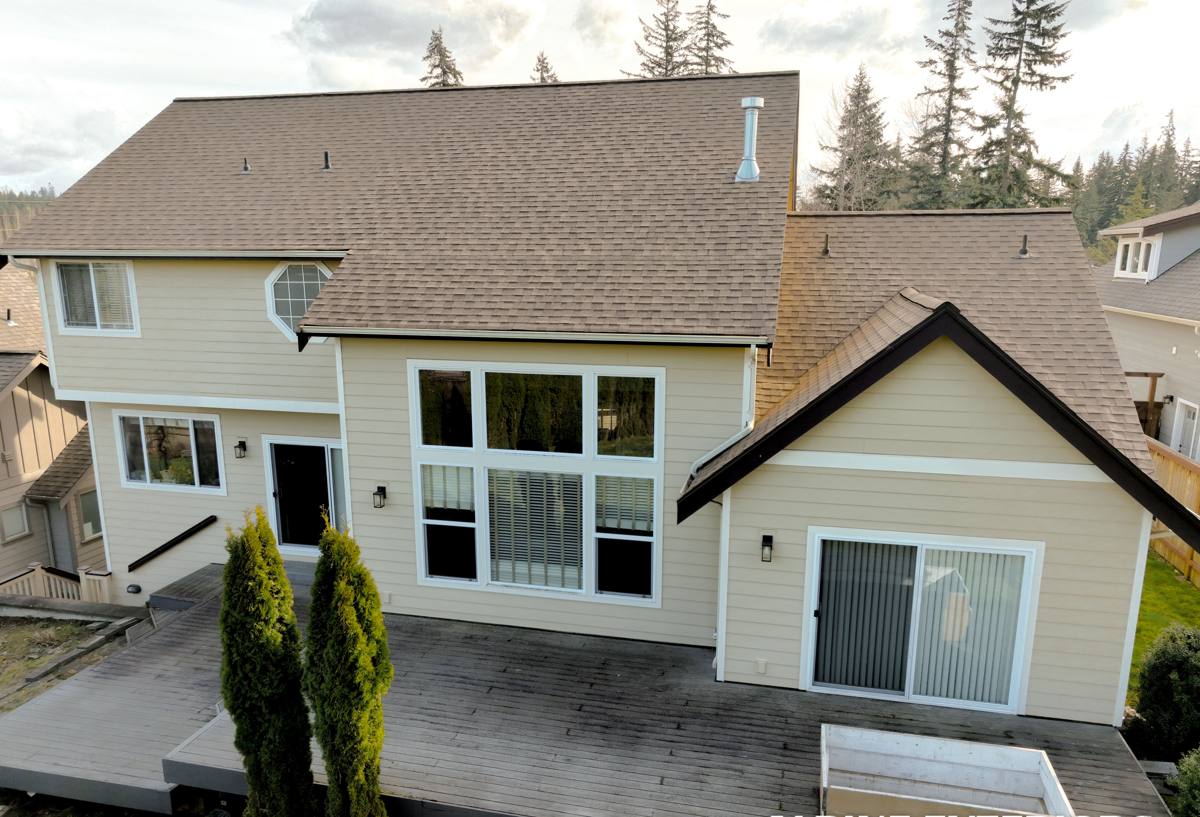
What "Energy-Efficient" Actually Means Here
"Energy-efficient" gets used loosely in this industry, so it's worth being specific about what actually matters for a Tampa-area home:
- Low-E coatings — a microscopically thin metallic layer that reflects infrared heat (the "how hot the sun feels" part of sunlight) while still letting visible light through. This is the single biggest factor in keeping a Florida house cooler without darkening every room.
- SHGC (Solar Heat Gain Coefficient) — the lower this number, the less solar heat the glass lets into the house. In our climate, a low SHGC matters more than it does in a heating-dominated climate up north.
- U-factor — measures how well the window resists heat transfer overall. Lower is better, though it matters somewhat less here than SHGC since we're fighting heat gain far more than heat loss.
- Gas fill and spacer quality — argon-filled dual-pane units with a good warm-edge spacer resist condensation and heat transfer better than air-filled units with basic aluminum spacers, which sweat and lose efficiency faster in our humidity.
- Frame material — vinyl and fiberglass insulate better than aluminum, which conducts heat straight through the frame itself.
None of this works in isolation — a great piece of glass in a poorly sealed frame will still leak air and let in wind-driven rain during a storm. The installation matters as much as the window itself, which we'll get to.
Florida Building Code and Wind Requirements
Hillsborough County is not in Florida's High-Velocity Hurricane Zone (that's specific to Miami-Dade and Broward), but it does fall under Florida Building Code wind-load and, depending on your specific location and the county's wind-borne debris line, impact-resistance provisions. Any legitimate replacement window installed here needs a valid Florida product approval (an FL# or NOA reference) rated for your home's design wind pressure, and the installation itself has to be permitted and inspected by Hillsborough County. This isn't optional paperwork — it's what actually protects the house, and your insurer will want to see it documented after a storm.
Signs Your Current Windows Are Costing You Money
You don't need a technical inspection to tell when windows are underperforming. Common signs we see in New Tampa homes:
- Visible fogging or a hazy ring between the panes — the seal has failed and the insulating gas is gone
- A noticeably hot window glass surface or hot spot in a room during peak afternoon sun
- Air movement or a whistle at the frame during windy weather
- Fading fabric, flooring, or furniture near south- or west-facing windows
- Condensation forming on the inside of the glass during humid months
- Cooling bills that keep climbing even though the AC system itself is fine
Comparing Window Options for This Climate
| Frame/Glass Type | How It Performs Here | Trade-offs |
|---|---|---|
| Aluminum, single-pane (original builder-grade) | Poor insulation, conducts heat directly, minimal wind/impact protection | Lowest upfront cost historically, but now typically past its service life |
| Vinyl, dual-pane, Low-E | Strong energy performance, good moisture resistance, no corrosion | Slightly more flex in very large openings; quality varies a lot by manufacturer |
| Fiberglass, dual-pane, Low-E | Excellent thermal stability, holds paint/color well in UV | Higher material cost than vinyl |
| Impact-rated laminated glass (vinyl or aluminum frame) | Resists wind-borne debris, blocks wind-driven rain intrusion, cuts noise | Highest upfront cost; heavier units need properly sized frames and hardware |
We don't push impact glass on every home — for many inland New Tampa properties, a quality Low-E dual-pane window paired with proper flashing and, where needed, code-compliant shutters is a perfectly sound and more affordable approach. Impact glass earns its cost on homes with large unprotected openings, second stories facing prevailing wind, or owners who want one less thing to manage before a storm. We'll walk through which makes sense for your specific house rather than defaulting to the most expensive option.
Our Installation Process
1. On-Site Assessment
We look at each opening individually — not just the glass, but the condition of the framing, the existing flashing, and any signs of past water intrusion. Two windows on the same house can have very different underlying conditions.
2. Measurement and Product Selection
We measure for an accurate fit and go over frame material, glass package, and wind/impact rating based on that opening's exposure — a west-facing wall taking direct afternoon sun and prevailing wind gets different consideration than a shaded, protected side window.
3. Permitting
Window replacement in Hillsborough County requires a permit and inspection. We handle the paperwork and schedule the inspection — skipping this step is a common shortcut among unlicensed installers, and it can come back to bite you at resale or during an insurance claim.
4. Removal and Prep
Old units come out carefully to protect the surrounding stucco, siding, or trim. We check the rough opening for rot, deteriorated sheathing, or old caulk that needs to be fully removed before anything new goes in.
5. Flashing and Sealing
This is the step that determines whether a window actually keeps wind-driven rain out during a storm. Proper flashing tape, backer rod, and a quality sealant rated for our UV and humidity conditions matter more here than almost anywhere else in the country.
6. Install, Shim, and Insulate
The unit is set plumb and square, shimmed correctly so it doesn't bind or sag over time, and the gap around the frame is insulated — not just caulked over — to control both air leakage and moisture.
7. Final Inspection and Cleanup
We do our own quality check, then the county inspection, before considering the job finished.
Why Correct Installation Matters More Than the Window Itself
A premium window installed poorly will underperform a mid-grade window installed correctly — that's true anywhere, but the stakes are higher in a climate with our combination of heat, humidity, and wind-driven rain. Bad flashing or a rushed seal doesn't usually show up on day one. It shows up eighteen months later as a soft spot in the drywall below the sill, a mold smell in a closet on that wall, or water intruding during the next big storm.
Before you sign with anyone, here's a short checklist of what a correct job should include:
- A written scope specifying frame material, glass package, U-factor, and SHGC — not just "energy-efficient windows"
- Florida product approval documentation matching your home's wind zone
- A permit pulled with Hillsborough County before work begins
- Proper flashing and sealant application, not just caulk over the old opening
- Shims and insulation in the gap, not just foam sprayed in as an afterthought
- A final walk-through and passed inspection before final payment
Ongoing Maintenance in Our Climate
Even a well-installed window needs some upkeep here. UV breaks down exterior sealant and gaskets faster than in milder climates, so it's worth having seals checked every few years, especially on south- and west-facing exposures. Clean weep holes on the bottom of the frame periodically so they can do their job draining any water that gets past the outer seal. And after any major storm, a quick visual check for cracked sealant or shifted trim is worth five minutes of your time.
Cost Factors to Expect
| Factor | Why It Moves the Price |
|---|---|
| Frame material (vinyl vs. fiberglass vs. aluminum) | Material cost and long-term performance differ significantly |
| Impact rating vs. standard Low-E | Laminated impact glass and reinforced frames cost more per opening |
| Number and size of openings | Larger picture windows and sliders cost more than standard bedroom-size units |
| Condition of existing framing | Rot or water damage found during removal adds repair work before install |
| New construction vs. retrofit | Retrofitting into existing stucco or siding takes more careful flashing work than new-construction framing |
Costs vary widely based on these factors, so we'd rather give you an accurate number after seeing the actual openings than a generic per-window estimate that doesn't hold up once we're on-site.
Why Hire a Crew That Already Works in New Tampa
A lot of New Tampa is made up of planned communities with active HOAs that have specific architectural review requirements for exterior changes, including window replacements — approved colors, grid patterns, and sometimes specific product lines. A crew that's worked in these neighborhoods before knows to check HOA requirements before ordering material, not after, which avoids a costly reorder. We also know the Hillsborough County permitting process and inspection expectations firsthand, which keeps a project moving instead of stalling on paperwork.
If you're ready to talk specifics about your home's windows, we offer a free, no-pressure estimate — just fill out the form below and we'll set up a time to take a look.