 Tampa Siding
 Window Installation in Wesley Chapel
Wesley Chapel has grown fast, and that growth means a mix of housing stock — newer construction from the last 10-15 years, mid-2000s builds, and older homes scattered through the area. Each of those comes with different window problems. Newer homes often have builder-grade windows that were installed to meet a spec sheet, not to perform well over time. Older homes may still have original single-pane or early dual-pane windows that were never rated for what Tampa Bay weather actually delivers. Either way, when it's time to replace windows, the installation matters more than the brand name on the glass.
We install windows throughout Wesley Chapel and the surrounding Hillsborough County area, and we approach every job the same way: the window is only as good as the opening it goes into, the flashing behind it, and the sealant around it. Get any of those wrong and even a top-tier window will leak, fog, or fail early.
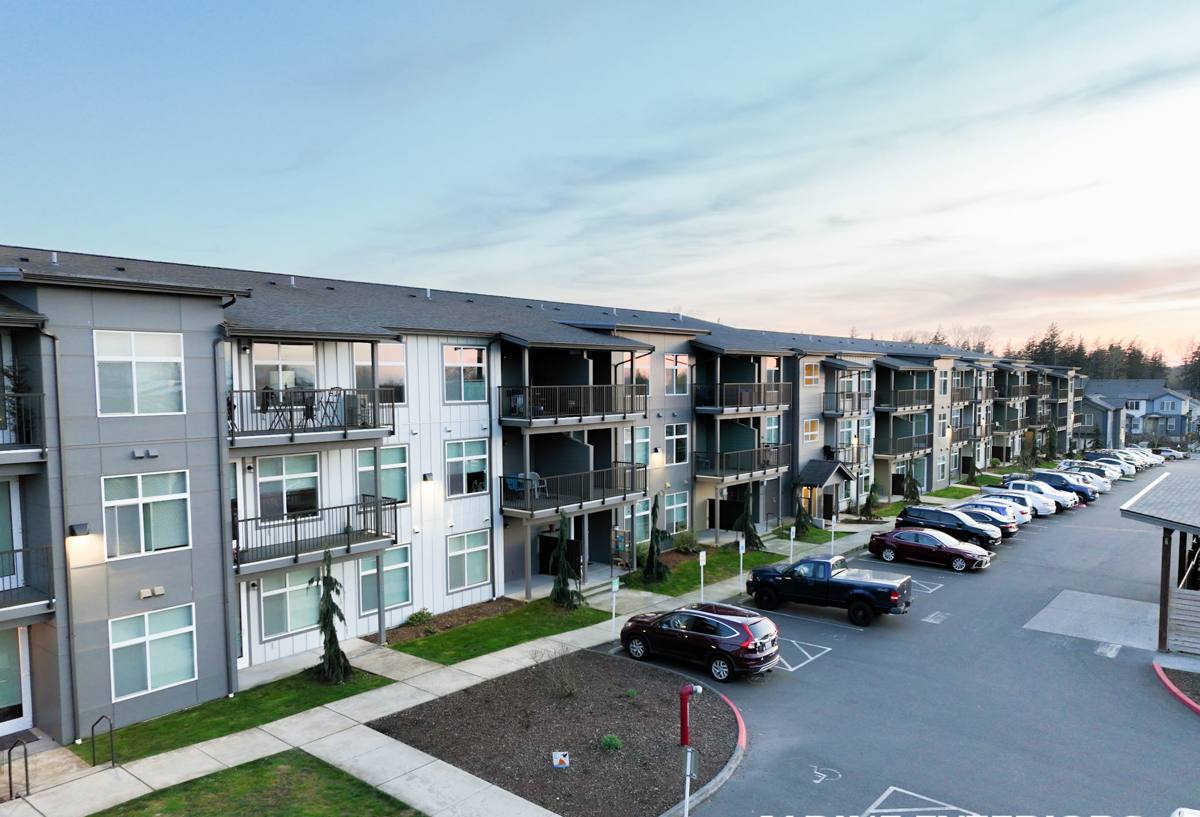
What Wesley Chapel's Climate Demands From a Window
This part of Florida isn't gentle on building materials. A few things drive how we spec and install windows here:
- Hurricane-force wind exposure: Wesley Chapel sits inland from the coast, which helps some, but it's still well within the reach of tropical systems and straight-line wind events that can drive pressure and debris into window openings.
- Wind-driven rain: Florida storms rarely come straight down. Rain gets pushed sideways into window frames under pressure, which is why flashing and sealant detail matters as much as the window unit itself.
- Intense, year-round UV: Florida gets more sun-hours than most of the country, and that sun is harder on frame materials, seals, and glass coatings than people expect. UV breaks down cheap vinyl and degrades sealants faster here than in milder climates.
- Humidity and moisture cycling: Constant humidity combined with air-conditioned interiors creates condensation pressure on window assemblies. Poorly sealed or poorly insulated frames sweat, and that moisture finds its way into wall cavities if it's not managed.
None of this is unique to Wesley Chapel specifically — it's a Tampa Bay and broader Central Florida reality — but it's worth stating plainly because it shapes every recommendation we make on a window job.
Why "Impact-Rated" Comes Up So Often
Impact-rated windows use laminated glass, similar in concept to a windshield, so that even if the outer pane cracks under debris impact, the window stays intact and keeps the building envelope closed. In parts of Hillsborough County within designated wind-borne debris regions, code requires either impact-rated glazing or approved shutter protection on new installations and many replacements. We'll tell you plainly which category your address falls into rather than upselling you into a rating you don't need — but if you're in a qualifying zone, this isn't optional, and it's better to build it into the install than bolt on shutters later.
What a Correct Window Installation Actually Involves
A lot of window problems homeowners deal with — leaks, drafts, fogging, sticking sashes — trace back to installation shortcuts, not the window product. Here's what we consider non-negotiable on every job:
- Opening inspection first. Before a new window goes in, we check the rough opening for rot, settling, or water damage from the old unit. If the substrate underneath is compromised, we address that before installation — putting a new window into a bad opening just delays the same failure.
- Proper flashing sequence. Flashing tape and pan flashing get installed in the correct shingle-lap order so any water that gets past the exterior finish sheds outward, not into the wall cavity. This is the single most common corner cut in low-bid window jobs.
- Correct fastening and shimming. Windows need to be shimmed level, plumb, and square, and fastened per the manufacturer's schedule — not just caulked in place. Under-fastened windows shift over time and open gaps you can't see from outside.
- Backer rod and sealant, not sealant alone. A bead of caulk over a big gap isn't a seal. Gaps get backer rod first, then a proper sealant bead sized to move with temperature swings.
- Interior air sealing. Low-expansion foam or backer rod around the interior frame perimeter stops conditioned air loss and reduces condensation risk — often skipped because it's invisible once trim goes back on.
- Manufacturer-compliant installation for warranty validity. Most window warranties are conditioned on installation meeting the manufacturer's written instructions. An installer who doesn't follow that spec can void coverage before you ever have a claim.
Our Process for Wesley Chapel Window Projects
1. On-Site Assessment
We look at each opening individually — Wesley Chapel homes vary enough in age and construction that a one-size approach doesn't work. We check for existing water intrusion, wall assembly type (block vs. frame), and current window condition.
2. Product Selection
We walk through frame material, glass package, and impact-rating requirements based on your specific address and how the home is used — a west-facing room that bakes in afternoon sun has different priorities than a shaded north-facing bedroom.
3. Permitting
Window replacement in Hillsborough County typically requires a permit, and impact-rated or wind-load-rated installations have specific documentation requirements. We handle this as part of the job rather than leaving it to the homeowner.
4. Removal and Opening Prep
Old units come out carefully to avoid unnecessary damage to surrounding stucco, siding, or interior trim. Any rot or damage found gets repaired before the new window goes in.
5. Installation
Flashing, shimming, fastening, and sealing follow the sequence above, done to the manufacturer's installation instructions for that specific product line.
6. Final Inspection and Cleanup
We check operation, seal integrity, and trim work before calling the job done, and we coordinate any required county inspection sign-off.
Comparing Common Window Frame Options for This Climate
| Frame Material | Heat/UV Performance | Moisture Behavior | Maintenance | Typical Trade-Off |
|---|---|---|---|---|
| Vinyl | Good with UV-stabilized formulations; lower-grade vinyl can warp or discolor over time in constant sun | Won't rot; seams need quality control | Low | Quality varies widely by manufacturer — this is where cheap vinyl shows its age fastest |
| Aluminum | Handles heat and UV well structurally | Can condensate more without thermal breaks | Low to moderate | Common in impact-rated commercial-grade units; less insulating without upgrades |
| Fiberglass | Very stable in heat and UV, minimal expansion/contraction | Excellent moisture resistance | Low | Higher upfront cost |
| Wood/wood-clad | Needs protective finish to handle Florida UV | Vulnerable to moisture without diligent upkeep | High | We generally steer Wesley Chapel homeowners away from unclad wood exteriors given the humidity and rain exposure — it's a maintenance commitment, not a defect in the product itself |
There's no single "correct" material for every home — it depends on budget, architectural style, and how much long-term maintenance you want to take on. We'll give you a straight answer on what fits your situation rather than steering you toward whatever's easiest for us to install.
Why Local Installation Experience Matters Here
Window installation looks similar everywhere on paper, but the details that prevent failures are regional. A crew that mostly works in a dry climate may not think twice about flashing sequence or sealant selection the way it demands here. Working regularly in Hillsborough County means:
- We know which areas fall under wind-borne debris region requirements and what that means for your permit.
- We're familiar with the county permitting and inspection process, so jobs don't stall waiting on paperwork we've never dealt with before.
- We've seen how block construction versus wood-frame construction changes flashing and fastening approach, and Wesley Chapel has plenty of both.
- We understand how quickly a bad seal shows up here — often within one rainy season — versus climates where a mediocre install might go unnoticed for years.
Signs Your Wesley Chapel Home Needs Window Attention
- Fogging or condensation between panes (seal failure in the insulated glass unit)
- Visible daylight or air movement around the frame
- Difficulty opening, closing, or locking a window that used to operate smoothly
- Soft or discolored drywall/trim near a window after heavy rain
- Noticeably higher cooling bills without another explanation
- Chalky, warped, or discolored frame material after years of direct sun exposure
- Visible gaps in old caulk or sealant lines around the exterior frame
Any one of these on its own might be minor. Several together usually means the window — or its installation — has reached the end of its useful life.
What Affects the Cost of a Window Project
Every home is different, so exact numbers depend on the specifics, but the main cost drivers on a Wesley Chapel window job are generally:
- Impact rating requirement: Impact-rated glass costs more than standard insulated glass, but may replace the need for separate shutter systems.
- Number and size of openings: Larger openings and specialty shapes (bay, arched, oversized) cost more in both materials and labor.
- Frame material: Fiberglass and higher-grade vinyl generally cost more upfront than standard vinyl or aluminum.
- Condition of the existing opening: Rot repair or structural correction adds labor beyond a straightforward swap.
- Permitting complexity: Homes in stricter wind zones may need engineering documentation that adds to the overall project cost.
We'll walk through all of these specifics for your home before you commit to anything, so the estimate reflects your actual project rather than a generic per-window rate.
Get a Straight Answer for Your Wesley Chapel Home
If your windows are fogging, leaking, sticking, or just old enough that you're wondering whether they'll hold up through another storm season, we're glad to come take a look. We'll give you an honest read on condition, options, and what a proper installation would involve for your specific home — no pressure, no inflated urgency. Request a free estimate using the form below and we'll get back to you to schedule a visit.