 Tampa Siding
 Why Ybor City's Climate Is Hard on Siding
Ybor City sits close enough to Tampa Bay that homes here take on a mix of weather stress most inland neighborhoods never see. Salt-laden air drifts in off the water and works into fastener heads, trim seams, and any gap in a siding system's water management. Summer humidity keeps wood-based products damp for days at a time. Afternoon downpours arrive sideways on a gust, driving rain up under laps and around window trim instead of simply running down the wall. And from June through November, every home in Hillsborough County has to be built or re-sided with the real possibility of hurricane-force wind in mind.
None of this is unique to Ybor City specifically, but it's concentrated here in a way that matters when you're choosing a siding product and a crew. A siding job that would hold up fine in a drier, inland climate can fail in five to eight years on a home a few miles from the bay — not because the homeowner did anything wrong, but because the product or the installation wasn't matched to the exposure.
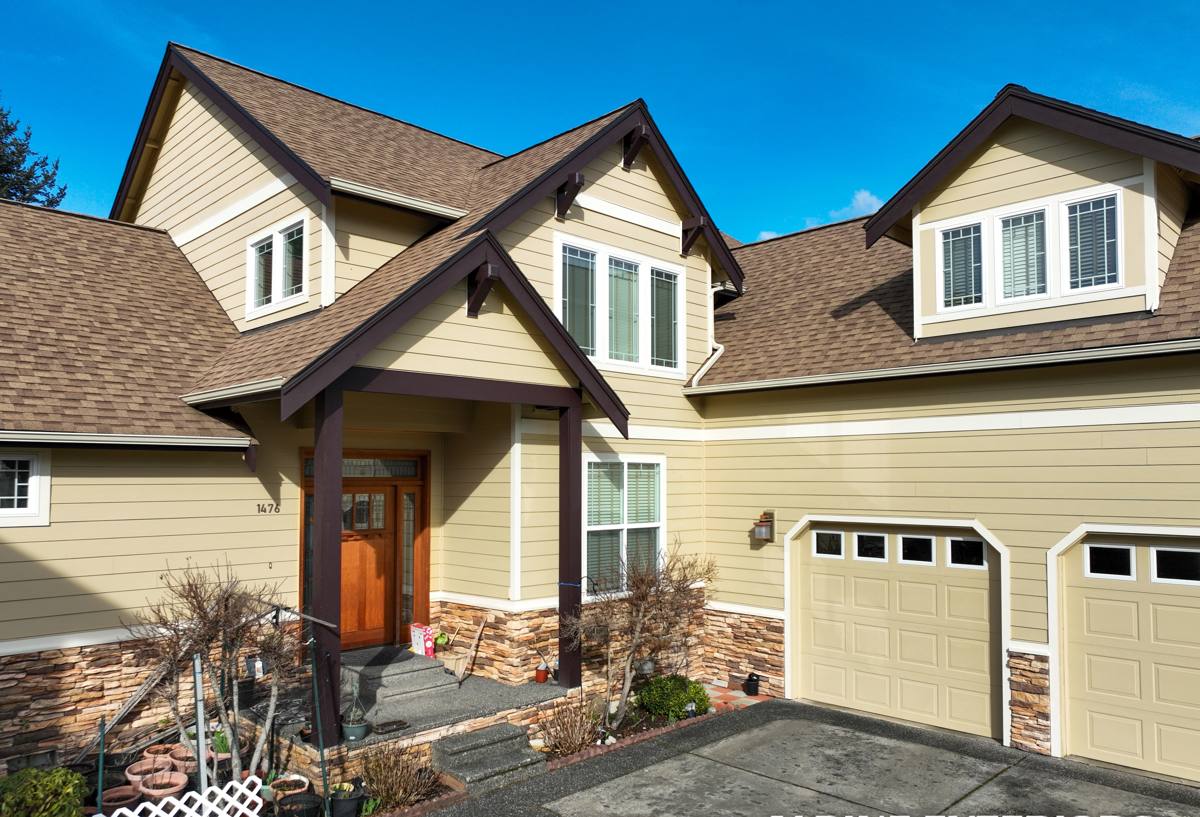
What Correct Siding Installation Actually Involves
Siding looks simple from the curb — boards or panels going up in rows. The part that determines whether it lasts is almost entirely hidden once the job is done.
Flashing and Water Management
Every window, door, and roof-to-wall intersection needs flashing detailed so water is directed out, not trapped behind the cladding. In a neighborhood that gets wind-driven rain, sloppy flashing around openings is the single most common cause of hidden rot we find when we tear off old siding.
Fastening for Wind Resistance
Fastener type, spacing, and placement all affect how a wall system performs in high wind. Manufacturers publish specific fastening schedules for coastal and high-wind zones, and those schedules exist for a reason — under-fastened siding is one of the first things to fail when a storm brings sustained wind, not just the panels closest to the roofline.
Clearances and Drainage Gaps
Siding needs a gap above roof lines, decks, and grade, plus a drainage plane behind it so any moisture that does get past the surface can escape instead of wicking into the substrate. Skipping this step doesn't show up as a problem on day one — it shows up as soft trim and staining two or three years later.
Why We Install Only James Hardie Fiber Cement
We made a deliberate decision to install one siding system — James Hardie fiber cement — and not offer vinyl, engineered wood, or other fiber cement brands as alternatives. In a climate like Tampa's, the differences aren't cosmetic.
- Non-combustible: fiber cement doesn't contribute fuel to a fire the way some engineered wood products can.
- Moisture stability: it doesn't swell, delaminate, or take on water the way wood-based siding can in a humid, rain-heavy climate.
- Heat and UV tolerance: Hardie's ColorPlus factory finish is baked on and formulated to resist the fading that intense Florida sun causes on field-painted or lower-grade finishes.
- Climate-specific engineering: Hardie's HZ5 product line is formulated for hot, humid climates, which describes Hillsborough County about as well as anywhere in the country.
Vinyl, primed spruce, and other fiber cement brands each have a place in the market, and none of them are junk products. But we've chosen not to install them because we don't want to warranty work on a substrate we're not confident will perform through a full range of Gulf Coast summers and storm seasons. Standardizing on one system also means our crews install it every day, not occasionally — which matters more than most homeowners realize.
Siding Considerations for Ybor City's Older Homes
A large share of the housing stock in and around Ybor City predates modern construction standards — cigar-worker cottages, bungalows, and shotgun-style houses built in the early twentieth century, many later remodeled or added onto over the decades. That history changes what a siding job needs to account for.
- Original framing may be true full-dimension lumber, which changes fastener length and furring decisions compared to modern 2x framing.
- Older walls often have no house wrap or a deteriorated one, so the new siding installation is frequently the first real opportunity to correct the water and air barrier behind the cladding.
- Additions and porch enclosures built at different times can have inconsistent wall depths, requiring careful transitions so trim and reveals line up cleanly.
- If a home sits within a locally designated historic district, exterior material and color changes may need review before work starts — that's worth confirming with the city early, not after materials are ordered.
None of this makes older Ybor City homes harder to side well — it just means a crew needs to actually look at what's behind the old siding before quoting the job, rather than assuming a standard tear-off and install.
Our Installation Process
- On-site evaluation. We walk the exterior, check for soft spots, existing moisture damage, and any structural issues that need addressing before new siding goes on.
- Tear-off and substrate inspection. Old siding comes off and we inspect sheathing and framing underneath, repairing or replacing any compromised wood before moving forward.
- Water-resistive barrier and flashing. We install or correct the house wrap and flash every window, door, and penetration according to Hardie's published details for the region.
- Fastening to spec. Panels and boards go up using the fastener type, spacing, and placement called for in high-wind installation guidance — not a generic schedule.
- Trim, caulking, and finish details. Corners, trim boards, and joints are sealed and finished so the whole system sheds water the way it's designed to.
- Final walkthrough. We go over the finished job with the homeowner before calling it complete.
What Siding Installation Costs Depend On
Every home is different, but the same handful of factors drive most of the cost variation we see on Ybor City-area jobs.
| Factor | Why It Matters |
|---|---|
| Home size and wall complexity | More square footage, corners, and roof lines mean more material and labor time. |
| Condition of the substrate | Rotted sheathing or framing found during tear-off adds repair cost that can't be known until the old siding is off. |
| Siding profile and accessories | Lap width, trim style, and accent details all affect material cost and install time. |
| Number of openings and transitions | Windows, doors, and roof intersections each require flashing labor. |
| Access and site conditions | Narrow lots, tight setbacks, and older detached structures common in the neighborhood can affect staging and equipment access. |
Maintenance After Installation
One of the practical advantages of a correctly installed Hardie system in this climate is how little upkeep it asks for. A yearly rinse to clear salt residue and grime, prompt caulk touch-ups where any hairline gaps appear, and a visual check after major storms is realistically all it needs. That's a meaningfully lower maintenance burden than wood-based siding, which needs more frequent repainting and inspection in a climate this humid.
- Rinse the exterior periodically to remove salt air residue, especially on sides facing open water or prevailing wind.
- Inspect caulking around trim and openings once a year and after significant storms.
- Keep irrigation heads and sprinklers from spraying directly on siding long-term, which can leave mineral deposits and keep panels damp.
- Trim back vegetation that holds moisture against the wall.
Why Hiring a Crew That Already Works in Ybor City Matters
A crew that regularly works this specific area already knows the housing stock — the mix of original early-1900s construction, additions, and enclosed porches — and doesn't have to relearn it on your job. They know what tear-off usually reveals on homes of this age in this climate, what flashing details actually hold up against wind-driven rain off the bay, and how to sequence a job around a neighborhood with older, narrower lots. That local repetition is what turns a correct installation from a checklist into muscle memory, and it's a fair question to ask any contractor bidding your project.
Questions Worth Asking Before You Hire
- How many siding installations have you completed specifically in the Tampa Bay/Ybor City area?
- What fastening schedule do you use for high-wind zones, and can you show it to me?
- Who inspects the substrate after tear-off, and what happens if rot is found?
- Is your crew factory-trained or certified on the specific siding product you're installing?
- What does your warranty cover, and is it transferable if I sell the home?
- Can I see your general liability and workers' compensation coverage?
If you're weighing a siding replacement for a home in or around Ybor City, we're glad to walk the property, look at what's actually going on behind the existing siding, and give you a straight answer on what it would take to do the job right. Request a free, no-pressure estimate using the form below.